
Monthly Archive: March 2019

Why the manual transmission can save us from the machines

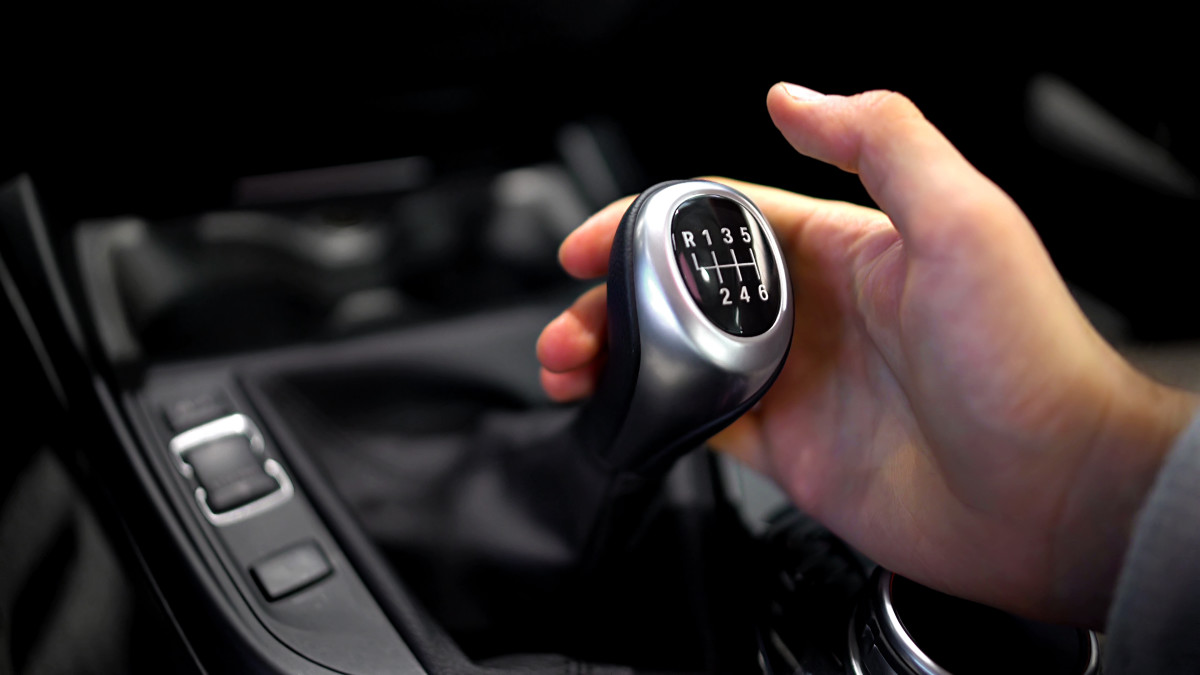
Male hand holding manual gearbox in car, test drive of new automobile, closeup

Not long after purchasing my first car with parking sensors, after a few delighted first days marveling at how they helped me park in the tightest of spots, I found myself in some situation where they were beeping incessantly, so I turned them off. A half-hour later, I listened for beeping that never came as I backed into a wall, bruising my ego and the bumper skin. In a New York Times op-ed over the weekend, psychiatrist Vatsal G. Thakkar tells a similar story in which he placed blind reliance on proximity sensors — in a car that didn't have them.

He cites the National Highway Traffic Safety Administration, who says, "Many drivers are not aware of the limitations" of driver-assist technologies, while one in five drivers have had an accident or near miss because they too fully relied on these systems.

Thakkar points out something we often say at Autoblog: Driver-assistance technologies can be useful, but they require increased attentiveness, not less. It's not even a trust-but-verify situation — if you have these technologies, don't trust. Ever. Do have a thorough understanding of how they work, how they can be fooled, and be prepared to override them at a second's notice.


One might ask: If I have to be so attentive operating these technologies, then why have them in the first place? Why not just ... be attentive? Good question. I think we all have a pretty good sense that the impetus for lane-keeping, adaptive cruise and various other systems, in part or in full, is driver distraction brought on primarily by smartphones and infotainment screens. Driver distraction is undoubtedly a big factor in our alarming trend of traffic fatalities. But as Thakkar asks, "Could technology designed to save us from our lapses in attention actually make us even less attentive?"

In his concise piece, Thakkar makes the case that over-reliance on technology can be blamed for recent Tesla crashes, medical errors and even the recent crashes of Boeing 737 Max 8 jetliners.

But his solution is one after our own hearts, and why we suggest you read his piece. The answer to all of the above is simple, engaging and beautiful — it's the manual transmission. When your brain and all four limbs are fully engaged in the driving experience, who needs beeps?

So get one today, while you still can.
Volvo will limit top speed on all its vehicles to 112 mph

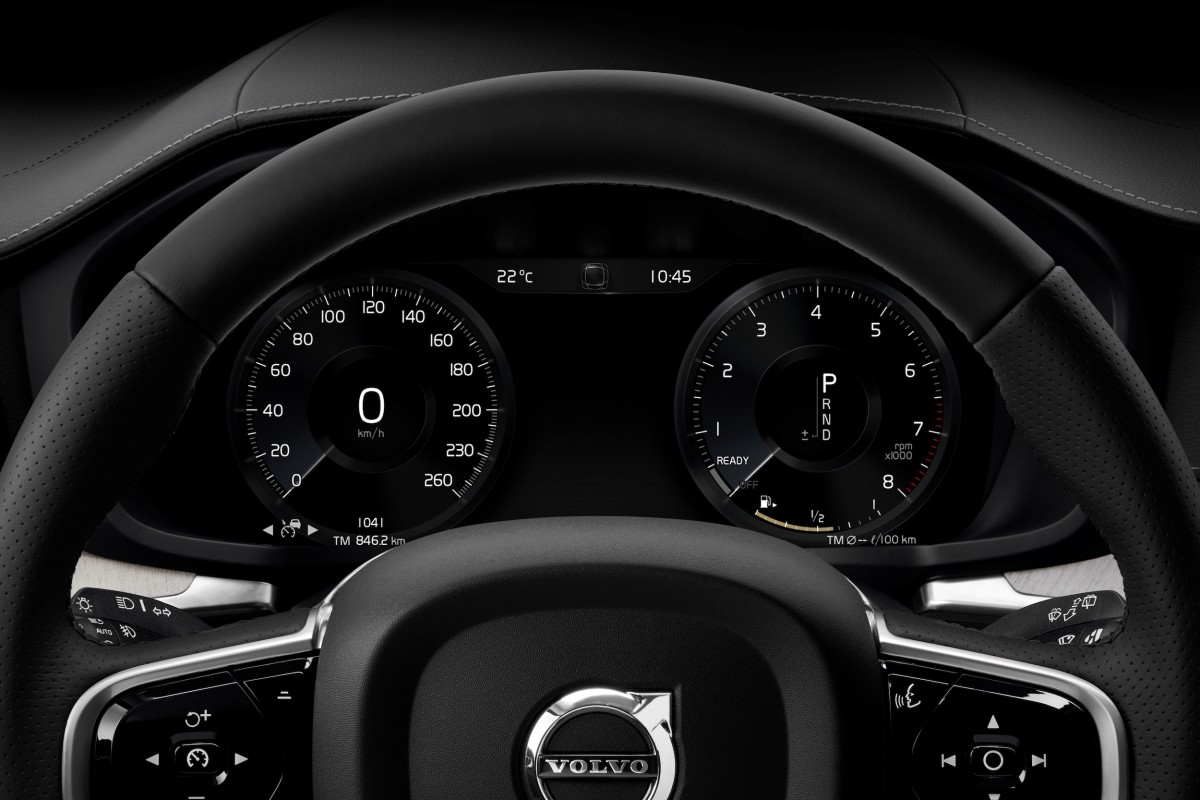
Volvo V60 gauges

Volvo has announced that it will limit the top speed of its cars to 180 kph, or 112 mph. The carmaker says it wants to send "a strong signal about the dangers of speeding," and from 2020, no Volvo cars can go faster than that. The limit is part of Volvo's Vision 2020, which aims for zero road deaths or severe injuries in a Volvo by 2020. Polestar models were not mentioned.

"Volvo is a leader in safety: We always have been and we always will be," said Håkan Samuelsson, president and chief executive. "Because of our research, we know where the problem areas are when it comes to ending serious injuries and fatalities in our cars. And while a speed limitation is not a cure-all, it's worth doing if we can even save one life."

Volvo's flagship XC90 SUV currently has a top speed of 131 mph.

Samuelsson, speaking ahead of the Geneva Motor Show, said it is unlikely to meet the Vision 2020 goal without additional measures to address driver behavior.

"We've realized that to close the gap we have to focus more on the human factors," Samuelsson told Reuters. Volvo did not elaborate on the data but said its passenger fatalities were already well below the industry average before the goal was announced in 2007.

In addition to the speed cap, Volvo plans to deploy technology using cameras that monitor the driver's state and attentiveness to prevent people driving while distracted or intoxicated, two other big factors in accidents, Samuelsson said.

There's also nothing preventing these Volvos from being driven at 60 mph in a 30 mph zone yet, except for proposed EU-mandated automatic speed limiters. But Volvo is also looking into limiting lower speeds with technology. Volvo's statement says: "Apart from limiting top speeds, the company is also investigating how a combination of smart speed control and geofencing technology could automatically limit speeds around schools and hospitals in future." In other words, if drivers cannot be trusted to make the decision to slow down, the cars will do that for them.

It has to be said the 112 mph limit is somewhat peculiar. Even if Japanese home market cars have had the same speed limit implemented for ages, there aren't that many countries where you can legally pass 110 mph. European highway limits are usually around 75-80 mph at maximum, and crashing at 90-100 is already dangerous enough. It feels like Volvo has set a limit no one would ever reach in normal driving, except perhaps on the German Autobahn. Samuelsson conceded that the limit could be a turnoff for German buyers.

That also brings us to an another aspect of the matter: which more strongly affects sales, a message that a manufacturer voluntarily limits its cars from reaching a certain speed, or that the cars are guaranteed to attain a given speed that few buyers ever reach?

"We cannot please everybody, but we think we will attract new customers," the CEO said, recalling that the roll-out of three-point seat belts pioneered by Volvo in 1959 had initially been criticized by some as intrusive.

"I think Volvo customers in Germany will appreciate that we're doing something about safety," he said.

Material from Reuters was used in this report.